Airport ID Card Security Awareness Training | AVSEC | 11.2.6.2 | E-Learning
Couldn't load pickup availability
Basic Security Awareness - EU 2015/1998 11.2.6.2
Share

More Information
Description
Knowledge of previous acts of unlawful interference with civil aviation, terrorist acts and current threats
Awareness of the relevant legal requirements
Knowledge of the objectives and organisation of aviation security, including the obligations and responsibilities of persons implementing security controls
Understanding of the configuration of the screening checkpoint and the screening process
Awareness of access control and relevant screening procedures
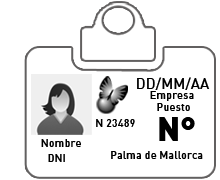
Knowledge of airport identification cards used at the airport
Knowledge of reporting procedures
Ability to respond appropriately to security related incidents
Target Audience
All air transport industry personnel
Course Objective
Upon completing this online training you will have the knowledge of:
Previous acts of unlawful interference with civil aviation, terrorist acts and current threats
The relevant legal requirements
The objectives and organisation of aviation security, including the obligations and responsibilities of persons implementing security controls
the configuration of the screening checkpoint and the screening process
The airport identification cards used at the airport
The reporting procedures
Ability to respond appropriately to security related incidents
Minimum Duration
Final Assessment
All trainees need to pass a final exam in order to complete the security course.The minimum pass grade is 70%. If a trainee fails for the first time, he/she will be given a second attempt at the exam. If a trainee fails twice, he/she will have to retake the entire course.
Certification
Once the trainee has passed the final exam, he/she will be provided with an e-Certificate that can be printed. The certificate is valid at all airports of Spain.
Validity
5 years
Key topics
Knowledge of previous acts of unlawful interference with civil aviation, terrorist acts and current threats
Awareness of the relevant legal requirements
Knowledge of the objectives and organisation of aviation security, including the obligations and responsibilities of persons implementing security controls
Understanding of the configuration of the screening checkpoint and the screening process
Awareness of access control and relevant screening procedures
Knowledge of airport identification cards used at the airport
Knowledge of reporting procedures
Ability to respond appropriately to security related incidents